Understanding Muscle Cramps
 Posted by:Nia| View: 355 |April 3, 2026
We’ve all been there—you’re lying in bed, drifting off to sleep, when suddenly, a sharp, excruciating pain shoots through your lower leg. It’s a muscle cramp, and for those few minutes, it feels like nothing else matters except getting rid of that intense pain. Trust me! I know how bad it can hurt…. If you’ve ever felt that helpless, locked-up sensation where you can’t move and you’re just waiting for it to pass, you’re not alone. These nightmarish cramps often strike out of nowhere, making it impossible to do anything until they ease up. If you are someone suffering from those cramps then here’s the good news, you’re in the right place.
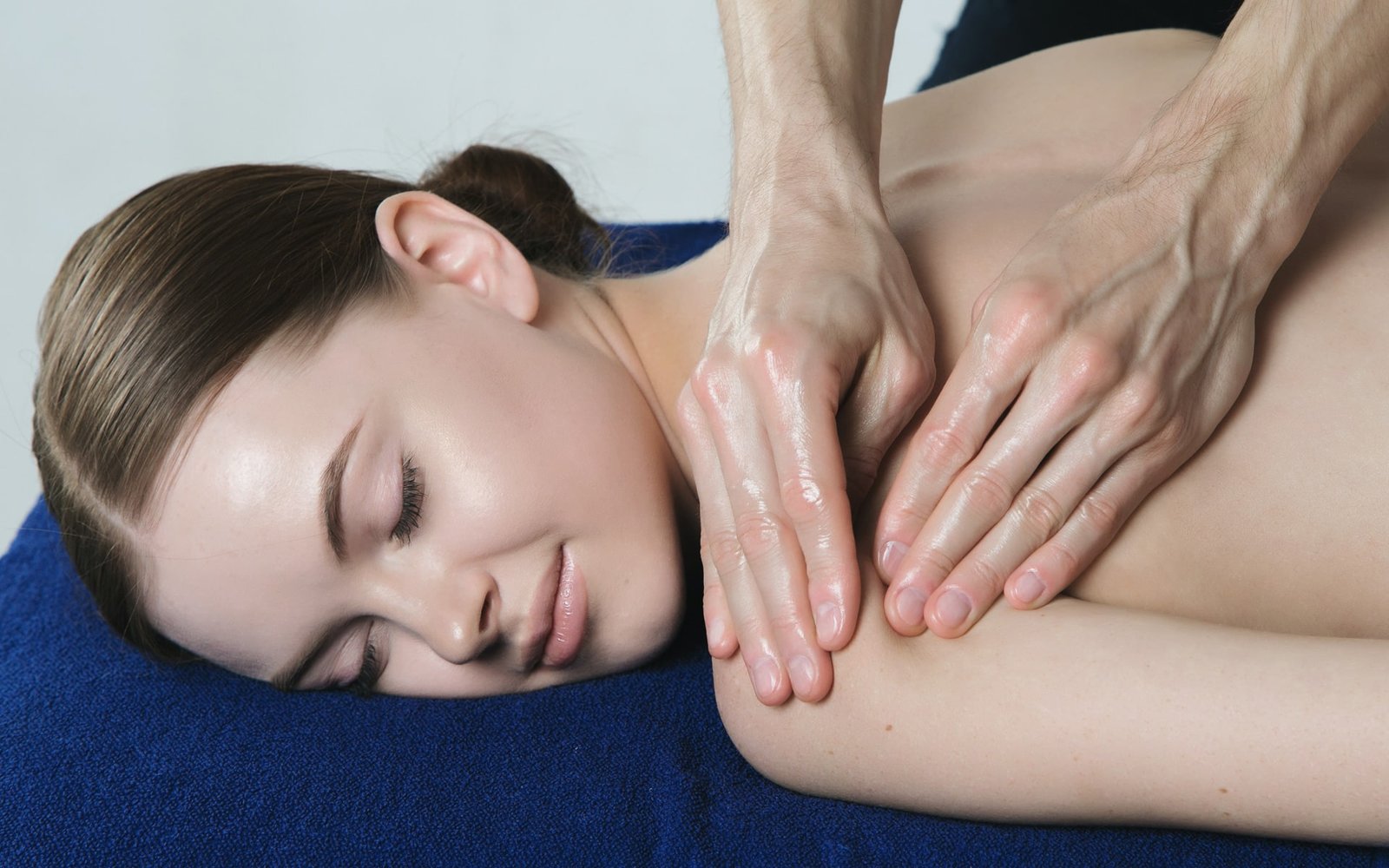
While cramps are common, they don’t have to control your life. By understanding what triggers them and how to prevent them, you can greatly reduce their frequency. One highly effective way to manage and relieve muscle cramps is through massage therapy, which not only eases the pain but also targets the underlying causes of these pesky muscle contractions.
What Are Muscle Cramps?
An abrupt, uncontrollable contraction of one or more muscles is referred to as a muscle cramp. These contractions can be brief or last several minutes, causing varying degrees of pain and stiffness. Cramps commonly affect the muscles in the legs, feet, arms, and abdomen, but they can occur in virtually any muscle group.
Muscle cramps can strike at the most inconvenient times—whether you’re mid-workout, sitting at your desk, or in the middle of the night, trying to sleep. They leave you feeling immobilized and frustrated. It can range from mild to severe, with the affected muscle becoming hard and tender to the touch. You may notice the muscle visibly twitching or knotting, and in more severe cases, the cramp may leave residual soreness long after the initial contraction has subsided.
A Closer Look at the Causes and Symptoms
These cramps can arise due to several reasons, and identifying the underlying cause is the first step in finding effective relief. While the exact mechanism that triggers a muscle cramp remains unclear, there are several factors that are commonly associated with their occurrence.
Common Causes of Muscle Cramps:
- Dehydration: When your body loses fluids and electrolytes, it can lead to muscle cramps. This is particularly valid in hot weather and following strenuous exercise.
- Overuse of Muscles: Intense physical activity, particularly exercises that involve repetitive motions, can exhaust your muscles, causing them to cramp.
- Poor Circulation: Insufficient blood flow to the muscles, often caused by sitting or standing in one position for too long, can result in cramping.
- Electrolyte Imbalance: Low levels of essential minerals like potassium, magnesium, and calcium can disrupt muscle function and lead to cramping.
- Muscle Fatigue: Fatigued muscles are more prone to cramping, particularly after strenuous activity.
- Nerve Compression: Compression or irritation of the nerves, such as in the case of spinal issues or nerve disorders, can trigger muscle cramps.
- Medications: Certain medications, such as diuretics, can deplete essential minerals and lead to cramping.
Common Symptoms of Muscle Cramps:
- Sudden, sharp pain in a muscle
- Involuntary contraction or tightness in the muscles
- Muscle hardening or bulging
- Difficulty moving the affected limb
- Lingering soreness after the cramp subsides
Understanding the triggers of muscle cramps can help you take preventive measures and reduce the likelihood of experiencing them.


